Describe Three Ways Fossil Fuels Affect Air Quality
Carbon fuels such as wood coal petroleum release unburnt carbon particles in the environment. Fossil fuels can be dangerous to harvest.

Fossil Fuels The Dirty Facts Nrdc
Burning fossil fuels releases carbon that was removed from the amosphere millions of years ago by animal and plant life.

. List the five major types of primary air pollutants. The principal air pollutants resulting from fossil fuel combustion are the following. Fossil fuels cause air pollution in the following ways.
Carbon monoxide volatile organic compounds hydrocarbons particulate matter sulfur dioxide and oxides of nitrogen. This is because the phenomena of global warming is triggered mainly due to excessive use of fossil fuels. The burning of fossil fuels affects the Earth system in a variety of ways.
Thus concentration of CO 2 is increasing in the atmosphere. Carbon dioxide has to ability to absorb infrared radiation emitted by the earth and re-radiate it back. For up to date Air Quality information go to Airnow a cross-agency US.
Types of unmodified materials that when released into the environment in sufficient quantities are considered hazardous. Burning any carbon based fuel converts carbon to carbon dioxide. Every recent study by scientists states that the burning of fossil fuels such as coal oil and gas for energy is the main contributor to the rapidly rising level of carbon dioxide that is driving climate change.
The burning of fossil fuels leads to the release of harmful products into the environment. Unless it is captured and stored this carbon dioxide is usually released to the atmosphere. The Effects of Burning Fossil Fuel.
The combustion of fossil fuels results in the formation of carbon dioxide which is released into the atmosphere. Air pollution that comes from fossil fuel consumption can trigger symptoms that are similar to asthma. These are the environmental impacts of fossil fuels which must be considered.
However they are also responsible for contributing to some of the greatest environmental impacts. As global supplies of cheap fossil fuels steadily decline and fossil fuel related greenhouse gases accumulate in the atmosphere energy conservation is becoming a critical topic of discussion. It can also create irritation with a persons air passageways that can trigger chronic coughing allergy development lethargy and other quality of life concerns.
- Wind from the atmosphere creates ocean waves and currents. Hence harmful chemicals are mixed with freshwater that provides a source of water for consumption. Mines can also collapse or subside contaminating local water flows and exposing local populations.
When fossil fuels are burned they release large amounts of carbon dioxide a greenhouse gas into the air. Burning fossil energy sources not only brings benefits in the form of producing energy but also. Warming above 15C risks further sea level rise extreme weather biodiversity loss and species extinction.
Some of these ways include. Coal oil and natural gas are the three different forms of fossil fuels that are widely used. Fossil fuels impact the water in several ways and unlike land the fuels may get mixed with a substance that is continuously flowing.
B the oxides of sulfur SO2 and SO3 represented as SOx. Greenhouse gases trap heat in our atmosphere causing global warming. Although our technology has advanced we are still generating more amounts of wasted heat as compared to electricity being produced.
Fossil fuels cause pollution when burned for use and when spilled during transport or mining. - The atmosphere interacts with several Earth spheres including the lithosphere. Releasing the greenhouse gases carbon dioxide CO 2 and nitrous oxide N 2 O into the atmosphere which intensifies the greenhouse effect the re-radiation of heat in the atmosphere increasing the Earths average air temperatures.
An increase in the consumption of fuel leads to harmful effects on the environment. - The atmosphere interacts with the hydrosphere to redistribute water over the surface of Earth. - The atmosphere causes plants to give off nitrogen.
Burning fossil fuels can affect the environment air quality climatic conditions and human health. C the oxides of nitrogen NO and NO2 NOx. Burning fossil fuels is the largest producer of pollution.
It can lead to health disorders. And this heat does contribute to climate change and global warming. The following are some of the negative impacts of using fossil energy these are real effects of fossil fuel to the environment.
The efficiency of modern fossil-based power plants is 40 at most while in the older times it was 10-15. Fossil fuels and global warming are closely associated with each other. And d particulates consisting primarily of very fine soot and ash particles.
Gases released by the burning and combustion of fossil. Most fossil fuels are burned to turn into energy and the gasses released into the air by burning in turn causes air and water pollution. Additionally fossil fuels affect marine wildlife and the ecosystem by contaminating the water ultimately.
They are formed by the process of anaerobic decomposition of organic. Already the average global temperature has increased by 1C. Following points will clearly depict these effects.
Air pollution may result also from unburned. The mining of fossil fuels is known to cause health issues such as pneumoconiosis which is more commonly called Black Lung Disease.
The Sources And Solutions Fossil Fuels Us Epa
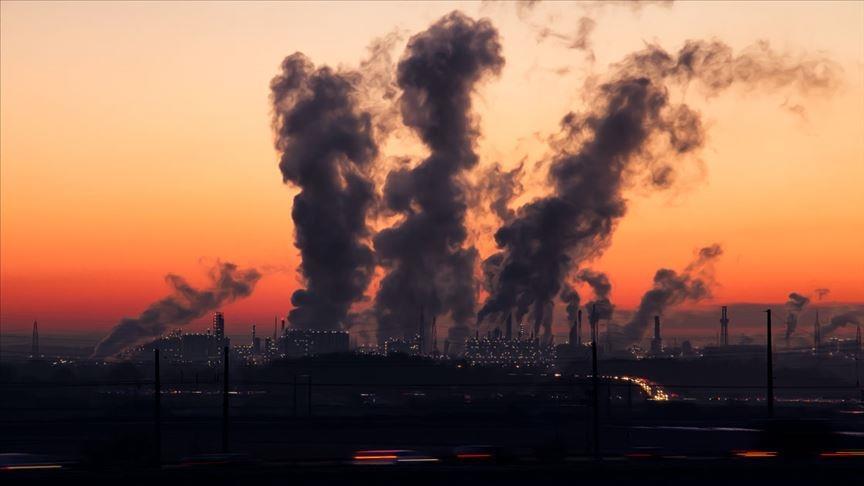
Air Pollution From Fossil Fuels Causes Over 8m Deaths

Fossil Fuels
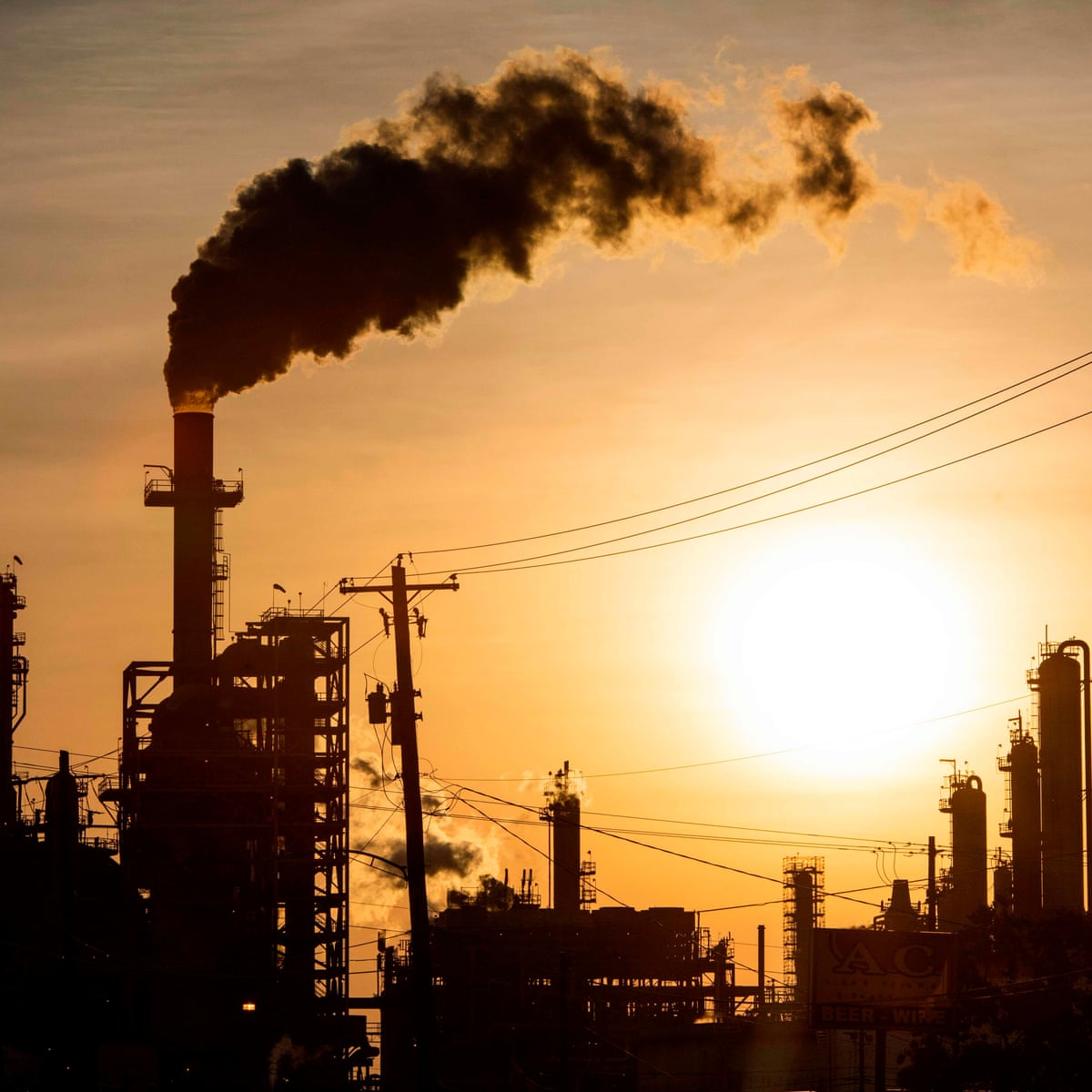
Oil Firms Knew Decades Ago Fossil Fuels Posed Grave Health Risks Files Reveal Air Pollution The Guardian
No comments for "Describe Three Ways Fossil Fuels Affect Air Quality"
Post a Comment